
The 3-3-3 Rule for RV Travel: Drive Less, Enjoy More
I’ve watched a lot of people pull into this park completely wiped out. They drove too far, arrived too late, and haven’t really stopped moving in days. By the time they get the rig leveled and the hookups connected, they’re too tired to enjoy the fact that they’re sitting on the edge of Grand Lake with a beautiful evening ahead of them.
That’s not what RV travel is supposed to feel like.
The best piece of advice I give first-time RVers — and the thing I wish more experienced travelers would come back to — is something called the 3-3-3 rule. It’s simple, it’s easy to remember, and it genuinely changes how much you enjoy being on the road. Here’s what it is and why it works.
What Is the 3-3-3 Rule for RV Travel?
The 3-3-3 rule is a straightforward guideline built around three numbers:
- Drive no more than 300 miles per day
- Arrive by 3 PM
- Stay at least 3 nights at each stop
That’s it. Three numbers. But the difference between following this rule and ignoring it is the difference between a trip you remember fondly and one you spend recovering from.
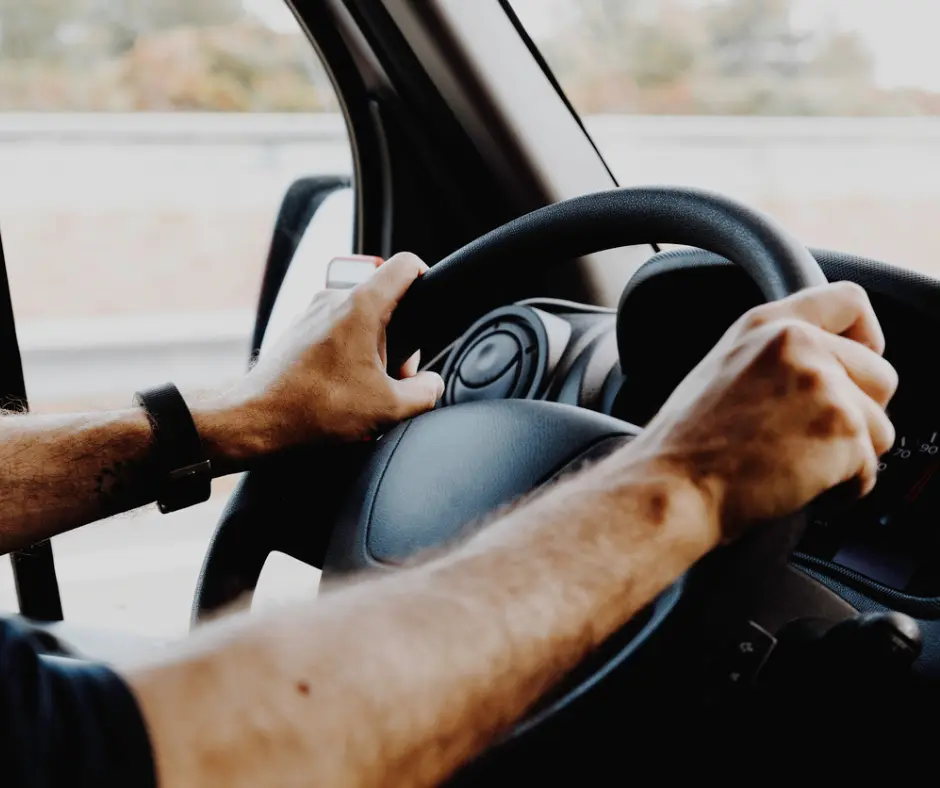
Drive No More Than 300 Miles Per Day
This is the one people push back on most, especially when they’re trying to cover ground. And I get it — when you’ve got a destination in mind, 300 miles can feel like you’re barely making progress.
But here’s what I’ve seen play out over and over: people who drive 500 miles to get somewhere arrive exhausted, set up in the dark, sleep hard, and spend half the next day recovering before they can actually enjoy where they are. The drive became the trip instead of the destination.
Three hundred miles is roughly five to six hours of actual driving time in an RV, factoring in the slower speeds, the stops, the fuel, and the occasional stretch of road where you’re just crawling. That’s a full day. Anything more and you’re grinding, not traveling.
For context, the drive from Tulsa to Grand Lake is under two hours. People who leave a little later, take their time, stop for lunch somewhere good — they roll in relaxed. That’s the version of arriving you want.
Arrive by 3 PM
This one matters more than people realize, and I’ll tell you exactly why from where I’m standing.
When guests arrive after dark, everything is harder. Finding the site, getting level, connecting water and electric, figuring out where things are — all of it takes longer and feels more stressful when you’re doing it by headlamp. And if something’s not right with your site or your hookups, you’ve got nobody to call at 9 PM.
Arriving by 3 PM gives you daylight to get settled, time to take a walk and get your bearings, and enough evening left to actually sit outside and enjoy it. Out here at Grand Lake, that means you catch the light on the water, maybe get a line in, or just sit under the awning and let the day slow down the way it’s supposed to.
It also means if something’s wrong — wrong site, missing amenity, whatever — there’s still time to sort it out. That peace of mind alone is worth adjusting your departure time.
Stay at Least 3 Nights
This is the rule I feel most strongly about, and the one most people underuse.
One night at a campsite is barely enough time to get comfortable. You spend the first evening setting up and getting oriented, the morning packing back down, and you never really stopped moving. You saw the place but you didn’t experience it.
Three nights is different. The first evening you settle in. The second day you actually explore — you find the good spots, you figure out where everything is, you start to feel like you belong there instead of just passing through. By the third morning you’ve got a routine, and leaving actually feels like leaving somewhere instead of just moving to the next stop.
Grand Lake is a place that rewards staying put. There’s fishing, boating, the dam, good food nearby, and evenings that are genuinely hard to walk away from. Guests who stay three nights or more are always the ones who leave saying they’ll be back. The ones who stayed one night are always the ones who say they wish they’d stayed longer.
Why This Rule Works — and Why People Ignore It
The honest answer to why people ignore the 3-3-3 rule is that it feels like you’re doing less. Covering fewer miles, arriving early, staying longer — it can feel like you’re not maximizing the trip.
But RV travel isn’t about covering ground. It’s about what happens when you stop. The 3-3-3 rule is built around protecting that — making sure you have the energy, the time, and the presence of mind to actually enjoy where you are.
The benefits stack up fast once you commit to it:
- You arrive rested instead of drained
- Setup happens in daylight, calmly, without rushing
- You actually get to know the places you visit
- Your rig takes less of a beating from long haul days
- You sleep better, eat better, and enjoy more
The RV Industry Association has long promoted this kind of intentional travel approach, and it’s backed up by what full-time RVers consistently report — slower travel leads to better experiences. Kampgrounds of America’s annual North American Camping Report also consistently shows that longer stays correlate with higher satisfaction among RV travelers.
How to Build the 3-3-3 Rule Into Your Trip Planning
The easiest way to make this work is to plan your route backward from your destinations, not forward from your departure point.
Decide where you want to spend time — really spend time — and build the driving days around getting there without burning out. If a leg of the trip is longer than 300 miles, find somewhere worth stopping in the middle. More often than not, that unplanned middle stop ends up being one of the highlights of the trip.
For practical route planning tools that can help you find campgrounds and map stopping points along the way, The Dyrt’s campground finder is one of the better free resources out there.
One Last Thing
If you’re planning a trip to northeast Oklahoma and Grand Lake is on your route — or your destination — the 3-3-3 rule is going to serve you well out here. Stay at least three nights. Arrive by 3. You’ll thank yourself.
Take a look at our amenities and our monthly rates if a longer stay sounds right. We’ve got full hookups, good shade, a quiet road, and Grand Lake right down the street. That’s a pretty good place to slow down for a while.
Author: Darin Berryhill