
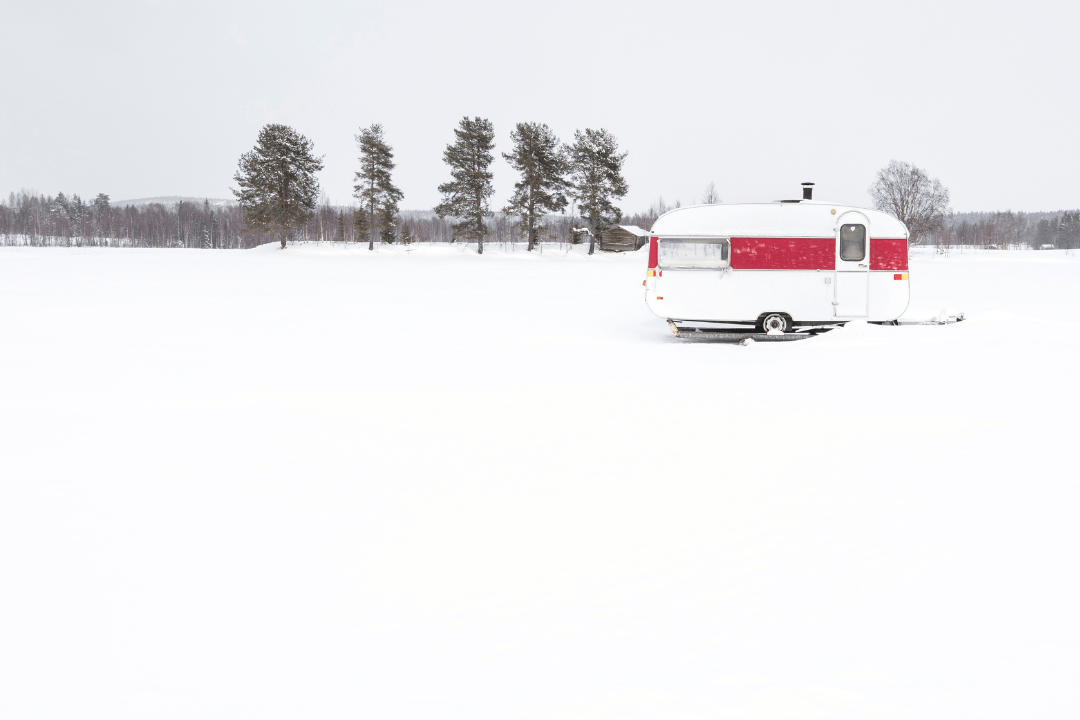
Beyond the Basics: Winterizing Your RV the Smart Way (So Spring Doesn’t Hurt Your Wallet)
At Park on Whiskey Road, we host travelers year-round, and we also see the seasonal rhythm that comes with RV life. In late fall, the questions shift from “Where are we heading next?” to “How do I keep my rig safe through winter?” And that’s a good question—because winterizing your RV isn’t just a checklist item. It’s how you prevent cracked fittings, split water lines, tank damage, mold, and surprise repairs when you’re ready to travel again.
Most RV owners know the basics: drain the water system, bypass the water heater, pump antifreeze, and close things up. But if you want a winterization that’s more reliable—especially in regions where temps swing or drop hard—there are a few higher-level habits that make a real difference.
This guide goes beyond the basics with practical steps that protect your plumbing, power system, tires, interior, and exterior—without turning winterizing into a full-time job.
Quick note: RVs vary. Always follow your owner’s manual for specifics like low-point drain locations, bypass valves, and recommended antifreeze type.
1) Think “Air Leaks” First, Not Just “Antifreeze”
A lot of winter damage begins with air movement and small leaks—not just water left in a line.
Before you even touch the plumbing:
- Check around windows, entry doors, slide seals, and storage bays
- Replace brittle weatherstripping
- Seal exterior gaps where wires/plumbing enter compartments
- Inspect access doors (water heater, fridge vents, furnace vents) for loose seals
Why it matters: when cold air can circulate freely, it pulls warmth out of the rig faster and creates more condensation inside. Less air leakage = less moisture risk and less freeze exposure in vulnerable compartments.
2) Don’t Just Drain—Force Water Out of the Lines
Basic winterizing drains the system. Better winterizing reduces the chance that a little pocket of water remains trapped.
If you have access to an air compressor:
- Drain tanks and open low-point drains
- Open each faucet (hot and cold), one at a time
- Use regulated air pressure appropriate for RV plumbing (many RVers keep it modest)
- Don’t forget the shower, outdoor shower, toilet sprayer, and washer hookups
You’re not trying to “blast” the system—just push residual water out before antifreeze goes in. This one step makes winterizing your RV far more dependable.
3) Treat the Water Heater Like Its Own Project
Water heaters are one of the easiest (and most expensive) places to mess up.
Do this every time:
- Turn it OFF (electric and propane)
- Bypass it properly
- Drain it completely
- Leave the drain plug/anode out during storage (unless your manufacturer says otherwise)
Also: if your rig has a tankless water heater, the process can be different than a standard tank model—follow the manufacturer guidance.
4) Protect P-Traps and Seals the Right Way
If you only winterize the supply lines but forget the drains and traps, you can still end up with cracked components or odors later.
After running antifreeze through the plumbing:
- Add antifreeze into each drain (kitchen, bathroom, shower) to protect P-traps
- Flush a small amount into the toilet to protect the seal
- Confirm the black tank valve isn’t left partially open (that can invite freezing issues)
This is a small step that prevents big annoyances.
5) Moisture Control Is the Hidden Part of Winterizing Your RV
Here’s the truth: when you seal up an RV tightly for winter, you can accidentally create a moisture trap. That’s how mold starts—especially in closets, behind mattresses, and inside cabinets.
To reduce moisture risk:
- Remove all food and anything that can attract pests
- Clean and dry the fridge; leave doors cracked open
- Open interior doors and cabinet doors for airflow
- Use moisture absorbers or a small dehumidifier (if power is available)
- Check for soft spots, stains, or musty smells before you leave it stored
If you only do one “advanced” thing, make it this. Moisture damage sneaks up quietly and costs real money.
6) Batteries Don’t Like Winter Neglect
Winter storage is hard on batteries—especially if they sit discharged.
A smarter battery routine:
- Fully charge before storage
- Disconnect or use the battery disconnect (so parasitic loads don’t drain them)
- Clean terminals and protect them from corrosion
- Store where temps are moderate if possible
- Maintain charge during the off-season (method depends on battery type)
Lithium and lead-acid behave differently in the cold, and charging lithium below certain temps can be a problem unless the system is designed for it. If you’re not sure, check your battery manufacturer guidelines.
7) Protect Tires, Suspension, and Contact Points
We see plenty of “everything was fine until we moved the RV” problems. Long storage can create flat spots, dry rot exposure, and stress on suspension components.
For winter storage:
- Inflate tires to manufacturer spec before parking
- Use tire covers (UV + weather protection)
- Consider leveling/weight distribution so one side isn’t overloaded
- If storing long-term, some owners use pads under tires to reduce ground contact stress
- If possible, move slightly during storage periods (even a little can help)
Also: remove heavy cargo you won’t need. Less weight = less stress.
8) Block Entry Points for Pests (Before They Move In)
Cold weather pushes critters toward warmth, and RV underbellies are an attractive “apartment complex.”
Before storage:
- Cover/secure exterior openings where appropriate
- Check basement compartments and pass-throughs for gaps
- Use screens where allowed
- Avoid leaving soft goods and paper products accessible
- Don’t store scented items that attract pests
This is one of those winterizing steps that feels optional…until it isn’t.
9) Do a “Spring Startup Preview” Before You Walk Away
The best time to notice a problem is before your RV has sat for three months.
Right before you finish winterizing your RV:
- Take photos of valve positions (bypass, tank valves, etc.)
- Make a quick checklist of what you did and what needs reversing in spring
- Label anything you removed (filters, drain plugs, anode rod, etc.
- Confirm everything is OFF: propane appliances, breakers, electronics
Future you will be grateful.
Winterizing Your RV Is Cheaper Than Repairing It
Winter can be rough on RVs, but a thoughtful approach makes it manageable. The basics prevent freeze damage, and the “beyond the basics” steps prevent the problems that show up later—moisture, battery failure, pests, and tire issues.
At Park on Whiskey Road, we’re big believers in simple routines that protect your rig and keep RV life enjoyable. Winterizing doesn’t have to be complicated—it just has to be thorough.
If you want, paste your Park on Whiskey Road details (typical winter temps, whether you offer winter stays, any on-site storage rules), and I can tailor this post even more to your location and guest needs—while keeping it fully original.
Author: Ric Favors