
Is an RV Outdoor Kitchen Actually Worth It? Here’s My Honest Take
I’ve had this conversation more times than I can count right here at the park. Someone rolls in with a brand new rig, proud as can be, and one of the first things they show me is the outdoor kitchen. Fridge on the outside, little cooktop, maybe a sink — the whole setup. And I always ask the same question: “How much have you actually used it?”
The answers are all over the place. Some folks swear by it. Others laugh and say it’s become a glorified paper towel cabinet. After watching hundreds of rigs come through here at Grand Lake, I’ve got a pretty clear picture of who’s going to love an RV outdoor kitchen — and who’s going to wish they had that storage space back.
Here’s my honest take.
What We’re Actually Talking About
Not all RV outdoor kitchens are created equal, and that matters more than most people realize before they buy.
Some rigs come with a full setup — exterior fridge, burner or griddle, a small sink, counter space, and storage drawers. Others have what I’d call a “drink station” — basically a mini fridge and a little shelf — and call it an outdoor kitchen. Those are two very different things, and they’re worth evaluating separately.
A true outdoor kitchen can genuinely change how you camp. A glorified snack bar? Maybe not worth the storage compartment it replaced.
The Real Reasons People Love Them
I’ve watched enough campers set up and settle in here to know when a feature is actually being used versus when it’s just there. RV outdoor kitchens tend to shine in a few specific situations.
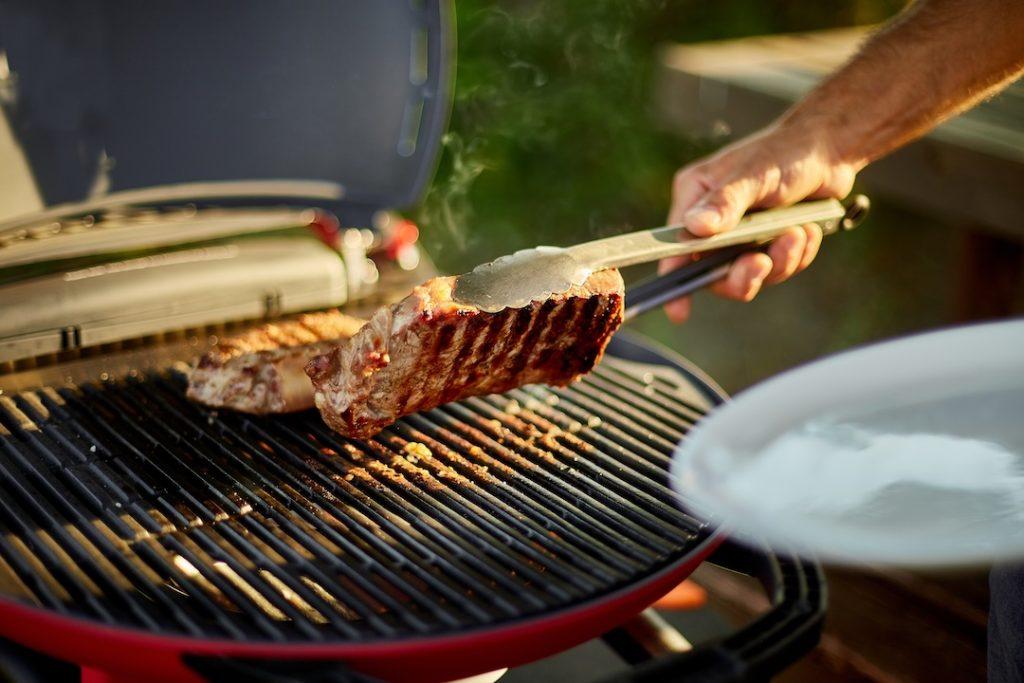
Cooking outside keeps the heat and smell out. This is the one I hear most. An Oklahoma summer in a small RV with the inside stove going is no joke. When you can move the cooking outside — bacon, burgers, anything greasy or smelly — the inside of your rig stays cooler and a whole lot fresher. That alone is worth something.
Drinks and snacks stay outside where everyone already is. If you’ve got kids running around, guests under the awning, or you’re just the kind of camper who lives outside from morning to night, an exterior fridge means you’re not tracking dirt in and out of the RV every time someone wants a cold drink. That sounds small, but after a few days at the campsite, it feels like a real quality-of-life upgrade.
It keeps the campsite organized. When you’ve got a dedicated spot for food prep and drinks outside, the whole setup just flows better. Less foot traffic through the RV, less mess, less chaos. For families especially, that organization makes a difference.
Long stays benefit most. The guests here who use their outdoor kitchens the most are almost always the monthly folks — people who’ve settled in for a while and have gotten into a real campsite routine. When you’re here for weeks at a stretch, that outdoor setup becomes part of the rhythm.
The Honest Downsides
I’m not here to sell you on anything, so let’s talk about where outdoor kitchens fall short — because they do, and more often than the dealer will tell you.
The storage tradeoff is real. That exterior compartment your outdoor kitchen lives in? On a lot of rigs, especially smaller travel trailers, that would otherwise hold your leveling blocks, hoses, chairs, outdoor mat, or a dozen other things you actually use every single trip. If you end up not using the kitchen much, you’re going to feel that missing storage on every outing.
Weather runs the show. An RV outdoor kitchen is great when the weather cooperates. Out here near Pensacola Dam, we get storms that roll in fast, and I’ve watched plenty of people’s outdoor kitchen plans get scrapped by wind, rain, or a sudden swarm of bugs. If the conditions aren’t right, the kitchen sits.
Some built-in cooktops are underwhelming. I’ll be blunt — a lot of the factory-installed burners and griddles aren’t as capable as a good portable camp stove or a standalone griddle that you can pick up for a reasonable price. If outdoor cooking is your thing and you’ve already got equipment you love, you might find the built-in cooktop is a step down, not an upgrade.
Counter space is often tighter than it looks. That outdoor kitchen on the dealer lot looks great. At the campsite, when you’re trying to prep a real meal — cutting vegetables, setting down hot pans, keeping condiments nearby — the workspace can feel a lot more cramped than you expected.
Built-In vs. Portable: Which Makes More Sense?
This is the question I’d encourage anyone to sit with before they decide.
A built-in outdoor kitchen is always there. You don’t have to set anything up or tear anything down. That convenience is real, especially if you move sites often or you just want to get settled fast.
But a quality portable setup — a folding table, a good griddle, a dedicated cooler or portable fridge — gives you flexibility that a built-in can’t. You can move it into the shade, position it based on the wind, set it closer to where everyone’s sitting, or leave it packed entirely if you don’t need it. And when you’re done with the trip, you’re not giving up a permanent storage compartment to have it.
My rule of thumb: if you already cook outside at home — grilling, griddling, eating on the patio — you’re probably going to use an outdoor kitchen and love it. If outdoor cooking isn’t already your thing, buying an RV with one probably won’t change that.
Questions to Ask Before You Buy
If you’re shopping for a rig and an outdoor kitchen is on your list, slow down and ask yourself a few things before it becomes a deciding factor:
- How much exterior storage am I giving up, and what was I planning to put there?
- Does the fridge run on shore power only, or can it work off-grid? (This matters a lot if you’re not always on hookups — but here at the park, you’ll always have full hookups, so power isn’t an issue.)
- Is there actually enough counter space to prep a real meal, or just enough to set a drink down?
- Can I stand comfortably at the kitchen without fighting the slideout, the awning post, or a cramped site layout?
- Would a good portable setup do the same job with more flexibility?
There are no wrong answers — just honest ones that help you figure out what you actually need. The RV Industry Association publishes good resources on RV feature comparisons if you want to go deeper before you buy.
What I Tell Folks Here at the Park
When guests ask me whether their outdoor kitchen is worth using, I always tell them the same thing: use it like you own it for the first few trips, and let it prove itself.
If you’re out there every morning making coffee, grabbing cold drinks, and cooking dinner under the awning — it’s earning its space. If it’s been three trips and the fridge is still empty and the burner hasn’t been touched, that’s useful information too.
Grand Lake is the kind of place where being outside is the whole point. The water, the trees, the evenings — all of it happens out there, not inside a rig. An outdoor kitchen, when it fits the way you camp, just makes it a little easier to stay outside longer. And honestly? That’s what we’re all here for.
If you’re thinking about a longer stay while you figure out your rig setup, take a look at our monthly rates — a lot of folks use an extended stay here as a chance to really settle in and figure out what works. And check out our amenities page to see what’s waiting for you when you get here.
For a deeper look at specific RV models with outdoor kitchens worth considering, RV Life’s exterior kitchen comparison is one of the better breakdowns out there. And if you’re thinking about adding a portable cooking setup as an alternative, Outdoor Life’s camp kitchen guide covers the options well.
Author: Darin Berryhill