
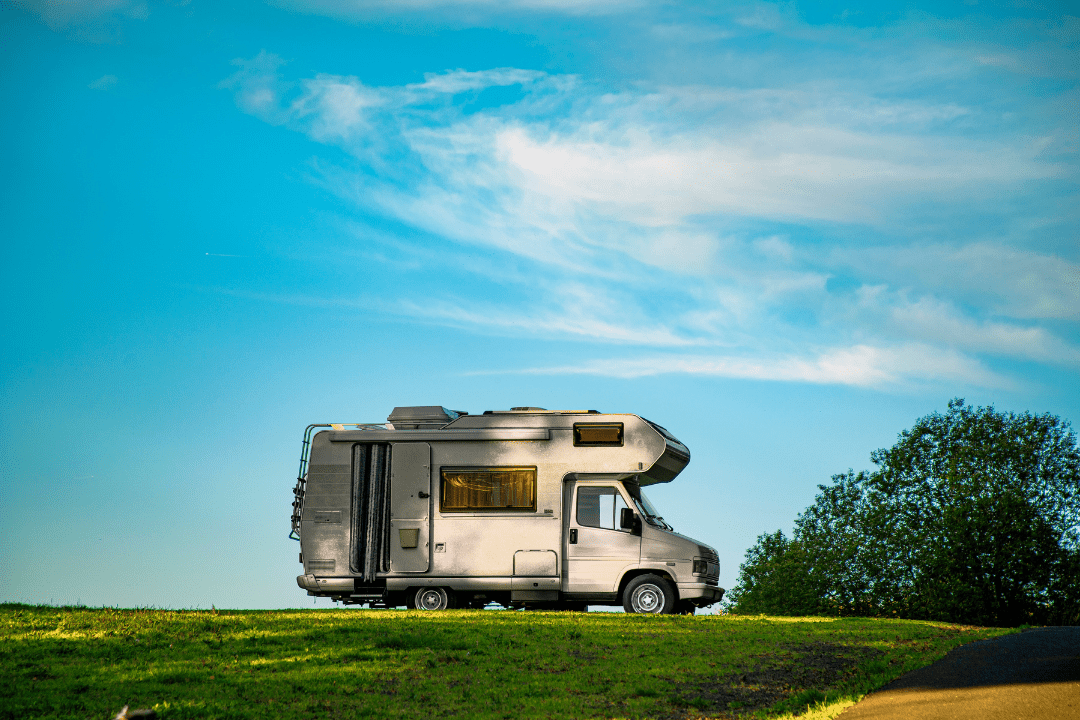
RV Laws Every Traveler Should Know Before Hitting the Road
Traveling in an RV offers incredible freedom. You can explore new places, stay in beautiful campgrounds, and experience life on the road at your own pace. But along with that freedom comes responsibility—especially when it comes to understanding RV laws.
Unlike standard passenger vehicles, RVs often fall under different regulations depending on the state you’re traveling through. Size restrictions, overnight parking rules, and even seatbelt requirements can vary widely. For RV travelers visiting places like Park on Whiskey Road or crossing multiple states on a road trip, knowing these laws ahead of time can help you avoid fines and travel headaches.
Here are some important RV laws that every traveler should understand before hitting the highway.
Overnight Parking Rules Are Not the Same Everywhere
Many RVers assume that if a rest area exists, it’s automatically legal to stay overnight there. In reality, overnight parking laws vary significantly depending on the state and even the specific location.
Some rest areas allow travelers to park for several hours to rest, while others limit the amount of time you can stay. In certain states, extended overnight stays may be restricted entirely.
There is also an important difference between parking and camping. Parking usually means staying inside your vehicle to rest, while camping involves setting up outdoor gear like chairs, grills, or awnings. Even in places where parking overnight is permitted, camping is often prohibited.
To avoid issues, many RV travelers choose locations specifically designed for overnight stays such as:
- Truck stops and travel centers
- RV parks and campgrounds
- Certain retail locations that permit RV parking
- Membership-based overnight parking programs
Planning ahead helps ensure you always have a legal and comfortable place to stop. Visit our rules and regulations page to learn about The Park on Whiskey Road’s park rules
Living in an RV on Private Property May Be Restricted
Another surprising area of RV laws involves living in an RV on land that you own. While it might seem logical that you could park your RV on private property and live there, many cities and counties have zoning regulations that prohibit full-time RV living.
These rules are often designed around housing codes or long-term occupancy regulations. In some areas, temporary RV stays may be allowed during construction or for limited time periods, but permanent residence may not be permitted.
For travelers who dream of purchasing land for RV living, researching local zoning regulations is essential before buying property.
Distracted Driving Laws Apply to RV Drivers Too
Distracted driving is illegal in every state, and these laws apply to RV drivers just like any other motorist. However, driving an RV often comes with additional distractions that travelers should be aware of.
Using handheld devices while driving is banned in many states, and texting behind the wheel is illegal almost everywhere. Other activities—like adjusting navigation devices, eating while driving, or handling pets—can also fall under distracted driving laws.
Because RVs are larger and heavier than most vehicles, maintaining full attention on the road is especially important for safety.
Speed Limits May Be Different for RVs
Another aspect of RV laws that surprises many travelers is speed limits. In some states, vehicles that are towing trailers must follow lower speed limits than standard passenger vehicles.
This is especially common with travel trailers, fifth wheels, and other towable RVs. Even when highways allow faster speeds for cars, vehicles pulling trailers may be restricted to slower limits for safety reasons.
Understanding these limits before traveling through different states can help RV drivers avoid unexpected tickets.
RV Size and Weight Restrictions Can Vary
Every state sets its own limits for vehicle length, width, height, and weight. While most modern RVs fall within legal standards, extremely large rigs or combinations of tow vehicles and trailers may approach those limits.
Common restrictions include:
- Maximum total length of the RV and tow vehicle combined
- Maximum width allowed on public roads
- Height limits that help prevent bridge collisions
Knowing your RV’s dimensions is important when planning routes, especially if you’re traveling through older highways or smaller towns.
Safety Equipment May Be Required in Some States
Certain states require vehicles towing trailers or operating large vehicles to carry specific safety equipment. This may include items such as warning triangles, reflective markers, or properly installed safety chains.
Breakaway braking systems are also commonly required for larger trailers. These systems automatically apply the trailer’s brakes if it becomes disconnected from the tow vehicle.
Although these items are often recommended for safety anyway, some locations legally require them.
Seatbelt Rules for Motorhome Passengers
One feature that makes motorhomes unique is the ability for passengers to move around inside while traveling. However, RV laws in many states require passengers to remain seated and wear seatbelts whenever the vehicle is in motion.
The exact requirements vary, but generally speaking, if a seatbelt is installed in a seat, it must be used while the RV is moving.
Staying properly restrained is not only required in many places but also greatly improves safety during travel.
Licensing Requirements for Large RVs
Most RV drivers can operate their vehicles with a standard driver’s license. However, in some states, larger motorhomes or heavy towing setups may require additional license classifications or endorsements.
These rules are typically based on the vehicle’s weight or overall length. While many travelers never encounter these requirements, it’s important to check the regulations in your home state to ensure you’re properly licensed.
Traveling With Pets May Have Regulations
RV travel often includes furry companions, but some states have laws requiring pets to be properly restrained while riding in a vehicle.
These rules are designed to prevent distractions and improve safety during travel. Many RV owners use pet seatbelt harnesses, crates, or secure carriers to keep their animals safe on the road.
Even where not required by law, these restraints can help protect both the pet and the driver.
Why Researching RV Laws Is Important
One of the biggest challenges of RV travel is that laws can change as soon as you cross state lines. What’s perfectly legal in one state may be restricted in another.
For travelers planning multi-state road trips, taking time to research local regulations can prevent problems along the way. It also ensures you can focus on enjoying the journey instead of worrying about potential violations.
At Park on Whiskey Road, we love welcoming travelers who are exploring new destinations by RV. Staying informed about RV laws helps keep your trip safe, stress-free, and enjoyable—so you can focus on the adventure ahead.
Book with us today!
Author: Darin Berryhill