
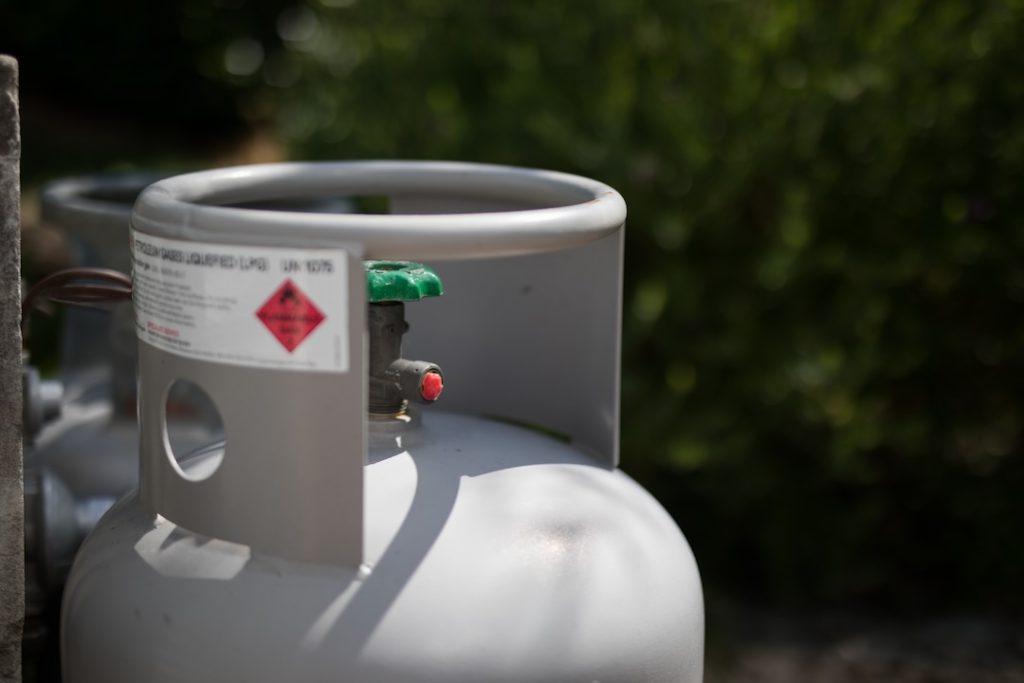
RV Propane Safety: Should You Drive with the Propane On?
It’s one of the most debated questions in the RV community. You’re packed up, ready to roll, and the refrigerator has been running on propane all morning. Do you shut it off before you hit the road — or leave it running?
The answer isn’t as simple as yes or no. RV propane safety while driving involves understanding what’s actually running in your rig, what the real risks are, where it’s restricted by law, and what best practices look like when you’re genuinely in the middle of a long travel day.
Here’s a straightforward breakdown of everything you need to know.
Is It Legal to Drive an RV with the Propane On?
In most of the United States, it is not outright illegal to drive an RV with propane flowing to appliances — but there are important exceptions, and the legal picture changes significantly depending on where you’re traveling.
Tunnels and certain roadways
Many tunnels across the country prohibit vehicles with active propane systems from passing through. This is strictly enforced at major tunnels in places like the northeastern U.S. and mountain corridors. Violations can result in fines and forced rerouting. If your route includes any tunnel, check the restrictions in advance — most tunnel authorities publish their LP gas rules publicly.
Propane fill stations and fuel stops
Nearly every propane fill station and many fueling areas require propane to be shut off before you pull in. This is both a safety policy and often a posted requirement. Get in the habit of shutting off your propane at the tank valve before you stop for fuel, regardless of what appliances are running.
State and local regulations
A handful of states have specific regulations around propane use while driving. Requirements vary, so if you’re traveling through unfamiliar territory, it’s worth a quick check before you go. The RV Industry Association maintains resources on RV regulations by state that can help you stay current.
What Are the Actual Risks of Driving with Propane On?
The legal question and the safety question are two different things. Even where it’s technically permitted, there are real risks worth understanding.
Accident and collision scenarios
In the event of a collision, an active propane system introduces fire and explosion risk that a shut-off system does not. Propane lines can rupture, valves can be damaged, and an ignition source — a spark, a hot surface, or a flame — can turn a manageable accident into a catastrophic one.
Emergency responders are also trained to look for and address propane hazards at accident scenes. An active system complicates their work and increases response time.
Leak detection while driving
Propane leaks are much harder to detect when you’re moving. Ventilation, wind, and road noise all mask the smell that would otherwise alert you to a problem while parked. A slow leak that would be obvious in a still, enclosed space may go entirely unnoticed at highway speed until you stop.
The refrigerator flame
The most common reason people leave propane on while driving is to keep the refrigerator running. An RV absorption refrigerator running on propane has an open flame inside the unit. That flame can be extinguished by wind at highway speeds, particularly on older units without auto-reignition. When the flame goes out but gas continues to flow, propane accumulates inside the refrigerator compartment — creating a hazard when the rig stops and something provides an ignition source.
According to the National Fire Protection Association, propane-related RV fires are most commonly traced to refrigerator issues and connection failures at fittings and regulators. Driving with an active refrigerator flame is one of the higher-risk practices in everyday RV use.
What About the Refrigerator? The Biggest Practical Dilemma
Most RVers who leave propane on while driving do it for one reason: they don’t want their food to warm up. It’s a legitimate concern, especially on a long travel day in summer heat. But there are better options than an open flame at 70 miles per hour.
Switch to 12-volt DC power while driving
Most modern RV refrigerators can run on 12-volt DC power drawn from the coach battery system while the vehicle is moving. The cooling is less efficient than propane but sufficient to maintain safe food temperatures for a normal travel day. Check your refrigerator’s manual to confirm 12V capability and how to switch modes.
Pre-cool before departure
Run the refrigerator on propane or shore power the night before and morning of your travel day. A fully pre-cooled fridge holds temperature significantly longer than one that was only recently brought down to temp. In moderate weather, a well-loaded, pre-cooled refrigerator can maintain safe temperatures for six to eight hours on 12V power alone.
Use a supplemental cooler for day-of items
For items you’ll need during travel stops — drinks, snacks, lunch — a quality cooler in the cab keeps you out of the main refrigerator entirely. Less door opening means less temperature fluctuation in the main fridge, which extends hold time further.
RV Propane Safety Best Practices for Travel Days
Whether you decide to shut off propane completely or manage it carefully while driving, a few consistent habits go a long way toward keeping your rig safe on the road.
- Shut off propane at the tank valve before entering any tunnel, fueling area, or propane fill station — no exceptions
- Check your route before departure for any tunnel restrictions or LP gas regulations in the states you’re passing through
- Inspect propane connections, hoses, and the regulator at the beginning of each travel season and after any long storage period
- Know where your propane shutoff valve is and make sure every adult in your travel party knows how to close it quickly
- If you smell propane while driving, pull over safely, shut off the tank valve, ventilate the RV, and don’t use any ignition sources until the source is identified
- Test your propane leak detector regularly — it’s your first line of defense when smell alone isn’t enough
The National Fire Protection Association recommends annual inspection of LP gas systems by a qualified technician, particularly for RVs that see regular travel use. Many RV dealerships and service centers offer propane system inspections as a standalone service.
Before You Go: A Quick Propane Travel Checklist
Before pulling out of your campsite or driveway, run through this quick check:
- Refrigerator switched to 12V DC mode
- Stove burners confirmed off
- Water heater switched to electric mode if available, or shut off
- Furnace thermostat turned down or off
- Tank valve closed if you’re passing through any tunnels on your route
- Propane detector tested and functioning
A two-minute check before every departure is a habit that costs nothing and eliminates a real category of risk.
Arrive Ready to Relax at The Park on Whiskey Road
The best travel days end with a great campsite. The Park on Whiskey Road sits just off Grand Lake O’ The Cherokees in Northeast Oklahoma — gated, full hookups, pull-through sites, and room to stretch out after a long drive.
Once you’re plugged in to shore power, the refrigerator switches back to electric, the propane goes to work for cooking and hot water, and the only thing left to figure out is what’s for dinner. That’s the way it should be.
Check out our monthly rates if you’re looking for a longer-term home base in Northeast Oklahoma.
Frequently Asked Questions
Is it illegal to drive an RV with propane on?
In most U.S. states it is not outright illegal, but tunnels, fueling areas, and some specific roadways prohibit active propane systems. Always check tunnel restrictions on your route before departure and shut off propane at fuel stops.
Can I run my RV refrigerator without propane while driving?
Yes. Most RV refrigerators can operate on 12-volt DC power while the vehicle engine is running. Pre-cooling the refrigerator before departure and switching to 12V mode while driving is the recommended approach for travel days.
What should I do if I smell propane while driving?
Pull over safely as soon as possible. Shut off the propane tank valve. Open windows and doors to ventilate the RV. Do not use any switches, flames, or ignition sources until the source of the smell is identified and resolved. If you cannot locate the source, contact a propane technician before using the system again.
How often should my RV propane system be inspected?
The National Fire Protection Association recommends annual inspection by a qualified technician. Additionally, inspect connections and hoses visually at the start of each travel season and after any extended storage period.
Author: Darin Berryhill