
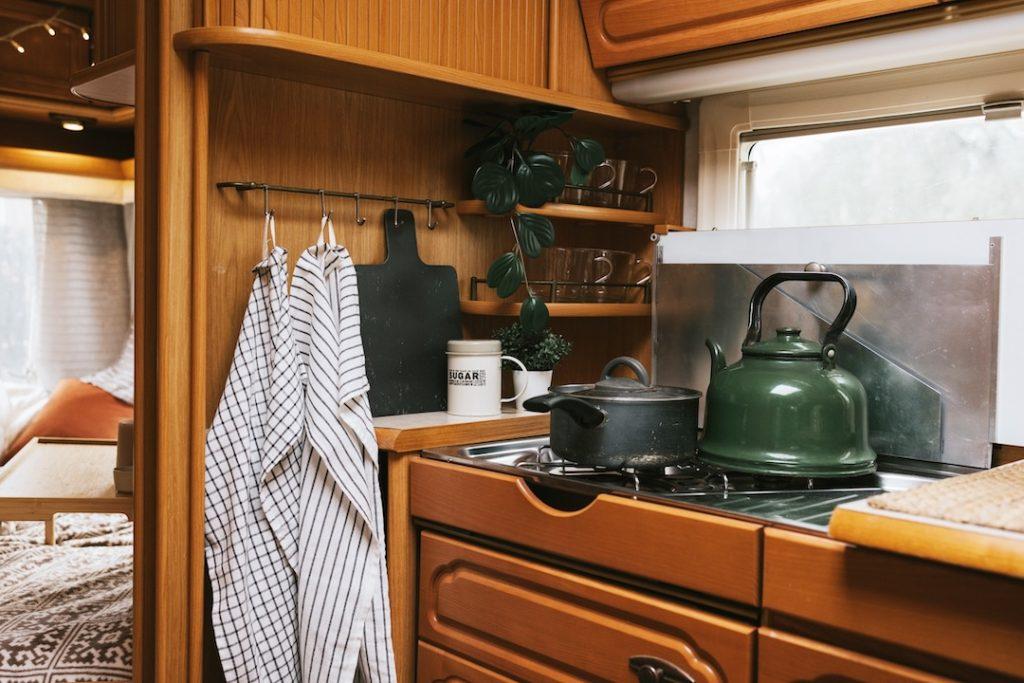
Essential RV Stove and Oven Maintenance Tips for Safe Cooking on the Road
One of the best parts of RV life is having a kitchen wherever you go. Whether you’re at The Park on Whiskey Road near Grand Lake in Northeast Oklahoma or rolling between destinations, cooking your own meals in your rig saves money and makes the journey feel like home.
But that kitchen only works well if you take care of it. RV stove and oven maintenance is one of those tasks that’s easy to overlook until something goes wrong — a burner that won’t light, an oven that won’t hold temperature, or a propane smell that shouldn’t be there. A little regular attention keeps your cooking setup safe, efficient, and ready when you need it.
Here’s everything you need to know to keep your RV stove and oven in great shape.
Understanding Your RV Stove and Oven Setup
Most RV stoves and ovens run on propane. That’s different from the electric or gas setups in a house, and it comes with its own maintenance considerations.
Propane appliances require a steady fuel supply and a reliable ignition to function safely. Your main LP regulator reduces tank pressure before it reaches the appliance, and a secondary regulator inside the stove or oven further controls the flow to the burners. The oven also has a thermostat that regulates the flame to maintain your set temperature and a thermocouple that keeps the pilot lit.
According to the RV Industry Association, propane appliances should be inspected regularly to ensure connections, regulators, and ignition components are functioning correctly. Understanding how the system works makes maintenance much easier.
RV Stove and Oven Maintenance: A Complete Checklist
1. Test Your Ignition System Before Every Trip
The ignition system — also called the piezo igniter — creates the spark that lights your burners. It’s a small component, but when it fails, the stove continues pumping propane into your living space without lighting it.
Test all burners before leaving for a trip or taking your RV out of storage. You should hear a clicking sound and see a spark immediately. If a burner clicks without igniting, it’s time to investigate before hitting the road.
2. Clean Burner Heads and Ports Regularly
Clogged burner ports are one of the most common causes of weak or uneven flames. Food debris, grease, and mineral deposits build up over time and block the small openings that distribute propane to the flame.
To clean burner heads:
- Remove the burner caps and heads from the stovetop
- Soak them in warm soapy water for 15–20 minutes
- Use a soft brush or toothbrush to clear any residue from the ports
- Use a toothpick or straightened paper clip to clear individual clogged ports — never use a metal pin that could enlarge the opening
- Rinse thoroughly and allow to dry completely before replacing
Never reinstall wet burner components. Moisture in the burner assembly can interfere with ignition and cause inconsistent flames.
3. Inspect and Clean the Knobs and Controls
Stove knobs take daily abuse and are easy to overlook during cleaning. Over time, grease and food residue build up around the knob shafts. This can cause knobs to stick, slip, or give inaccurate temperature readings.
Remove knobs periodically and wash them with warm water and mild dish soap. Inspect the shaft behind each knob and clean any buildup with a damp cloth. Be careful not to let water run into the shaft openings — moisture in the burner switch can cause ignition problems.
After cleaning and reinstalling, use an oven thermometer to verify that your temperature settings are accurate. Most RV ovens run hot or cool compared to the dial setting.
4. Wipe Down After Every Use
This one sounds basic, but it makes a real difference. Spills that sit on the stovetop or oven interior bake on quickly and become much harder to remove later. They can also block burner ports and create fire hazards.
Make it a habit to wipe the stovetop after every cooking session while the surface is still warm but not hot. For the oven, check the interior after each use and clean any drips or spills before they harden.
5. Deep Clean the Oven Interior
A surface wipe isn’t enough for the oven. Every few weeks — or more frequently if you cook often — give the interior a thorough cleaning.
Remove the oven racks and wash them separately with soap and water. For the oven interior, use a non-abrasive oven cleaner appropriate for propane ovens. Avoid harsh chemical oven cleaners unless the manufacturer specifically approves them for your model.
Pay particular attention to the oven floor and the area around the burner tube. Grease accumulation near the burner creates a fire risk over time.
6. Check the Oven Door Seal
A poorly sealing oven door is one of the most common RV oven problems. When the door doesn’t close fully, heat escapes, cooking times increase, and propane consumption goes up.
Close the oven door and run your hand around the perimeter. If you feel warm air escaping, the door seal needs attention. A simple fix is to prop something against the door to keep it fully closed while cooking. For a permanent fix, the door gasket may need replacement.
7. Inspect Propane Connections and Lines
Propane leaks are a serious safety hazard in any RV. As part of your regular RV stove and oven maintenance routine, inspect the propane connections at the stove and check the supply line for any signs of wear, cracking, or damage.
To test for leaks, apply a mixture of dish soap and water to connections and look for bubbles when the propane is on. Never use an open flame to check for leaks.
The National Fire Protection Association recommends that propane appliances and connections be inspected annually by a qualified technician. If you smell propane at any point, turn off the supply, ventilate the RV, and don’t use any appliances until the source is found and repaired.
8. Keep the Ventilation Hood Clean
The range hood or vent above your stovetop filters grease and smoke from cooking. When it gets clogged, ventilation suffers — which means more grease in the air and on surrounding surfaces, and a higher fire risk.
Remove and clean the filter regularly. Most range hood filters can be soaked in hot soapy water and rinsed clean. If your RV has a vent fan above the cooking area, run it every time you cook to keep moisture and grease from building up in the kitchen.
9. Pre-Trip and Post-Storage Checks
Before every trip and whenever you take your RV out of storage, run through a quick stove and oven check:
- Test each burner ignition and flame
- Check the oven pilot light and temperature accuracy with a thermometer
- Inspect propane connections for damage or leaks
- Verify the range hood vent is clear and functioning
- Make sure no items are stored in the oven — a common habit that’s easy to forget before lighting it
If your RV has been in storage over winter, purge the air from the propane lines by lighting a stovetop burner first before attempting to light the oven pilot. This clears any air that entered the lines while the system was off.
Troubleshooting Common RV Stove and Oven Problems
Burner Won’t Light
First, check that propane is flowing by testing another burner. If other burners light normally, the issue is likely a clogged port or a faulty spark electrode on the affected burner. Clean the burner head and inspect the electrode tip for corrosion or food debris.
Weak or Yellow Flames
Yellow-tipped or lazy flames indicate incomplete combustion, usually caused by clogged ports or low propane pressure. Clean the burner heads first. If the problem persists across all burners, have your LP regulator checked — a weak regulator can’t supply adequate pressure when multiple appliances are running simultaneously.
Oven Won’t Hold Temperature
Verify the door seal first. Then use an oven thermometer to determine whether the actual temperature matches the dial setting. If the oven runs significantly hot or cool at a calibrated temperature, the thermostat may need adjustment or replacement. Persistent temperature problems after checking the door and thermostat often point to a failing gas regulator.
Cook Well, Camp Well at The Park on Whiskey Road
There’s something genuinely satisfying about cooking a great meal in your own rig after a day on the water or out on the trails. Keeping up with RV stove and oven maintenance means your kitchen is always ready for it — no surprises, no safety concerns, just good food and good company.
If you’re planning a stay at Grand Lake in Northeast Oklahoma, The Park on Whiskey Road offers full hookups, a welcoming community, and everything you need for a comfortable stay. Whether you’re staying for a weekend or settling in long-term, it’s a great place to cook, relax, and enjoy everything the lake has to offer.
Check out our monthly rates and book your spot today.
Author: Darin Berryhill