
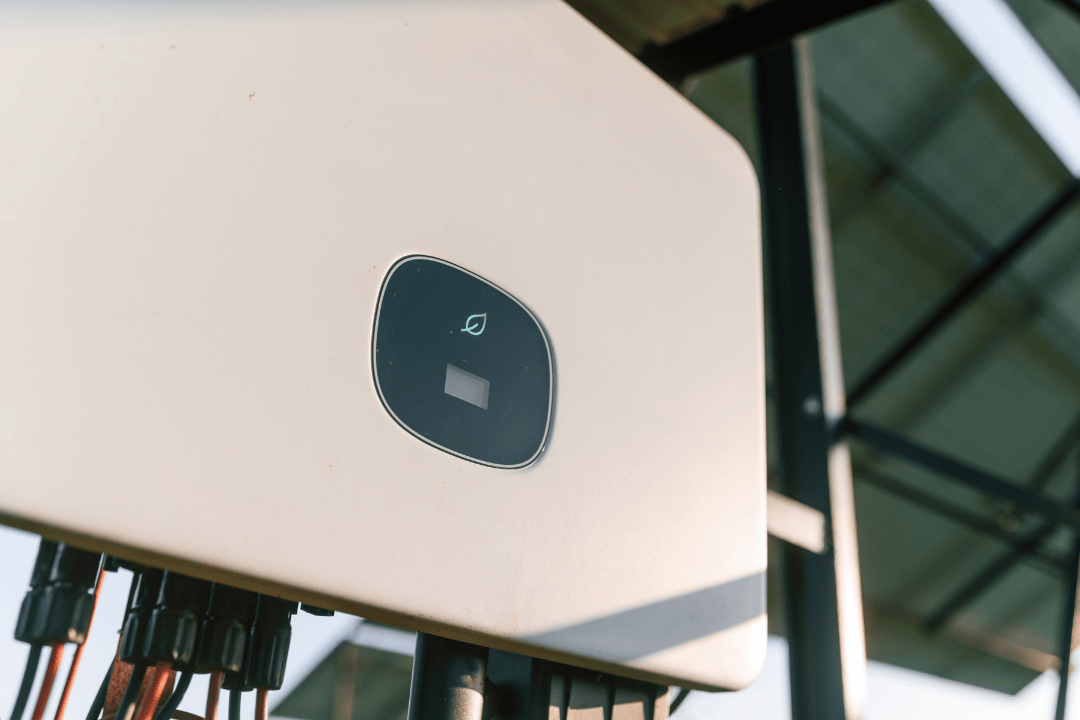
RV Inverter Installation: How to Add Reliable Power for Off-Grid Comfort
At Park on Whiskey Road, we see every kind of RV setup roll in—from weekend travelers who plug in and relax to seasoned RVers building serious off-grid capability. One upgrade that comes up a lot is rv inverter installation, especially for guests who want more flexibility: charging devices anywhere, running small appliances without a generator, or staying comfortable during travel days and short stops.
An inverter can be a game-changer, but installing one isn’t a “plug it in and hope” project. Done right, it gives you quiet, dependable 120V power from your RV batteries. Done wrong, it can create overheating, blown fuses, damaged electronics, or dangerous wiring problems. This guide walks through what an inverter does, how to choose the right one, and what a safe installation generally involves.
Safety note: Electricity can be dangerous. If you’re not confident working with high-current DC wiring, a licensed RV tech or electrician is the best move.
What an Inverter Does in an RV
Most RV batteries store power as 12V DC, but many of your household-style outlets and appliances use 120V AC. An inverter converts battery power into usable AC power so you can run devices like:
- Laptop chargers, TVs, routers
- Kitchen appliances (in limited bursts)
- Small power tools
- Medical devices (with proper planning and testing)
If you’ve ever wanted to stop for the night without shore power and still plug into an outlet, that’s where an inverter earns its keep.
Before You Start: Decide What You Want to Power
The smartest rv inverter installation starts with one question:
Do you want to power a few outlets, or your whole rig?
Option A: “Outlet-Only” Inverter Setup
This is the simplest approach. The inverter powers:
- a dedicated outlet
- a small group of outlets
- or a subpanel feeding select circuits
Best for: weekend boondocking, device charging, light appliance use.
Option B: Whole-Coach Inverter System
This setup can power most of your RV’s outlets, sometimes even larger loads—if your battery bank and wiring support it.
Best for: full-time travelers, remote workers, long off-grid stays.
Usually requires: transfer switching, careful circuit planning, and bigger battery capacity.
Choosing the Right Inverter
1) Pure Sine Wave vs Modified Sine Wave
For modern RV use, pure sine wave is usually the best choice. It’s cleaner power and plays nicer with sensitive electronics and variable-speed devices.
Modified sine wave can work for basic loads, but it can cause buzzing, excess heat, or poor performance in certain electronics.
2) Sizing: Don’t Guess Your Wattage
Make a list of what you want to run and check wattage labels. A few examples:
- Laptop + router: often under 200W total
- TV: 50–150W
- Coffee maker: 800–1500W
- Microwave: 1000–1500W+ (and higher surge)
A good rule is to size your inverter to your realistic needs and give yourself breathing room for surge loads.
3) Battery Reality Check
Inverters don’t create power—they move it. Running a 1,500W appliance pulls a lot from your batteries quickly. If you’re relying on lead-acid batteries, you’ll generally get less usable capacity than lithium.
If your goal is true off-grid comfort, the inverter is only part of the system. Battery bank, charging (solar/generator/alternator), and wiring matter just as much.
RV Inverter Installation: What You’ll Typically Need
Every RV is different, but most installs involve:
- Inverter (properly sized)
- Correct gauge DC cables (usually very thick)
- Fuse or breaker sized for the inverter
- Battery disconnect or switch (recommended)
- Grounding hardware (per manufacturer instructions)
- Transfer switch (manual or automatic) if feeding existing circuits
- Mounting hardware + ventilation spac
Big reminder: DC wiring for inverters carries high current. Using undersized wire is one of the most common and most dangerous mistakes.
Where to Mount the Inverter
A good inverter location is:
- Close to the battery bank (short cable run = safer and more efficient)
- Dry and protected (not exposed to leaks)
- Well ventilated (inverters generate heat)
- Not in the same sealed compartment as batteries (especially lead-acid, which can vent gas)
Many RVers mount the inverter in a storage bay near the batteries, on a sturdy vertical wall or board, with clearance around the unit so airflow isn’t restricted.
A Safe Step-by-Step Overview
This is a general roadmap for rv inverter installation. Always follow your inverter manual and RV wiring layout.
Step 1: Power Down Completely
Disconnect shore power, shut off the generator, and disconnect the battery bank (or use the battery disconnect switch). Confirm power is off with a meter.
Step 2: Mount the Inverter Securely
Install on a solid surface with manufacturer-recommended airflow clearance. Avoid mounting where road spray, moisture, or heat sources are present.
Step 3: Install the Fuse or Breaker
The inverter’s positive cable should be protected by a properly rated fuse/breaker placed close to the battery (common best practice). This protects against cable short circuits.
Step 4: Run and Connect DC Cables
Use correct gauge wire and quality lugs. Make clean, tight connections. Loose connections create heat, voltage drop, and failure over time.
Step 5: Ground the Inverter
Follow the inverter manual for grounding requirements. This is not optional.
Step 6: Connect the AC Output
How you do this depends on your plan:
- dedicated outlet plugged into inverter
- selected outlets via subpanel
- whole-coach through a transfer switch
If you’re tying into existing RV circuits, this is where many people choose professional help, because miswiring can create backfeed or dangerous conflicts with shore power.
Step 7: Test Carefully
Start with a small load (phone charger), then step up. Monitor:
- inverter temperature
- cable warmth at connections
- battery voltage under load
- any error codes
Avoid These Common Problems
Charging Loop Issues
One common mistake is accidentally feeding inverter power into the RV’s converter/charger, which then tries to “charge” the batteries using power from the batteries. That wastes energy and can cause odd electrical behavior.
Undersized Cabling
If cables are too small, they heat up. Heat is a warning sign. Proper wire sizing matters more than most first-time installers expect.
Overestimating Battery Runtime
Even a modest appliance can drain a battery bank quickly. If your goal is running high-wattage devices, plan charging capacity (solar/generator/alternator) along with the inverter.
Why This Upgrade Helps Travelers
For many RVers, rv inverter installation is about freedom and comfort:
- quieter nights without generator noise
- more flexible travel days and stopovers
- more options for boondocking or remote sites
- reliable power for work and connectivity
At Park on Whiskey Road, we love seeing guests build a setup that matches how they travel—whether that’s occasional off-grid nights or a full-time system built for independence.
Author: Ric Favors